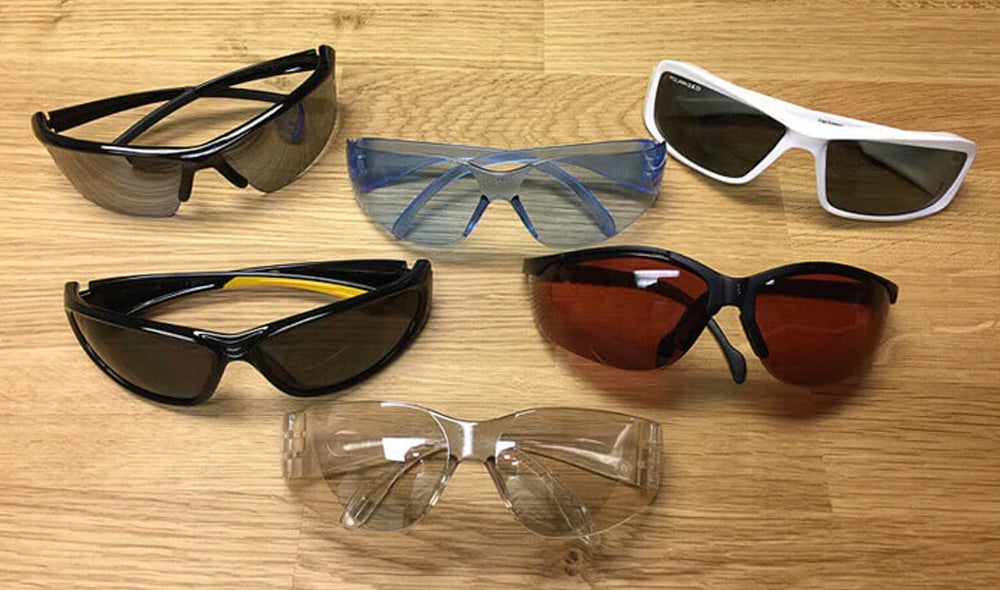
Selecting the Right Safety Eyewear

Selecting the Right Safety Eyewear: A Complete Guide for Every Workplace

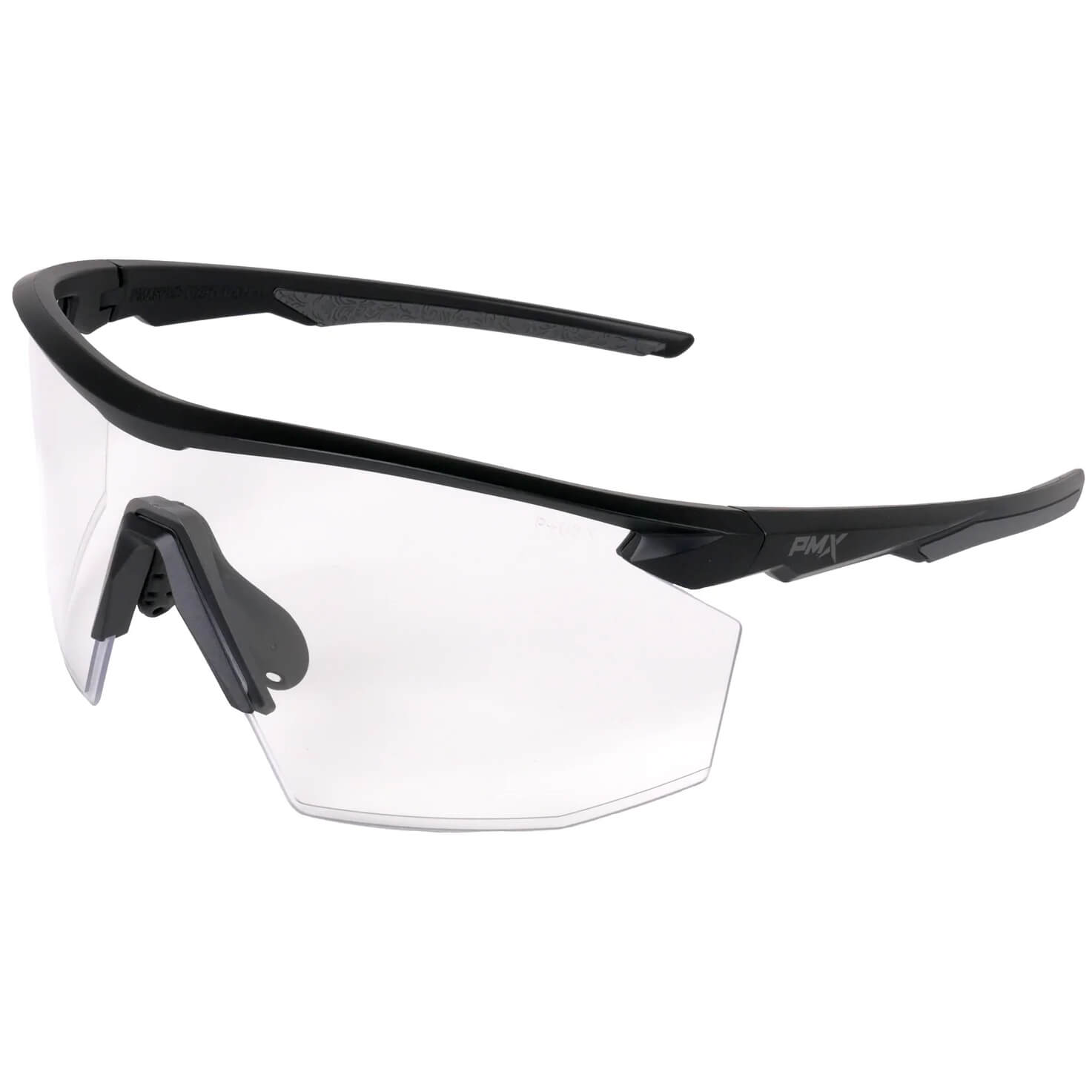
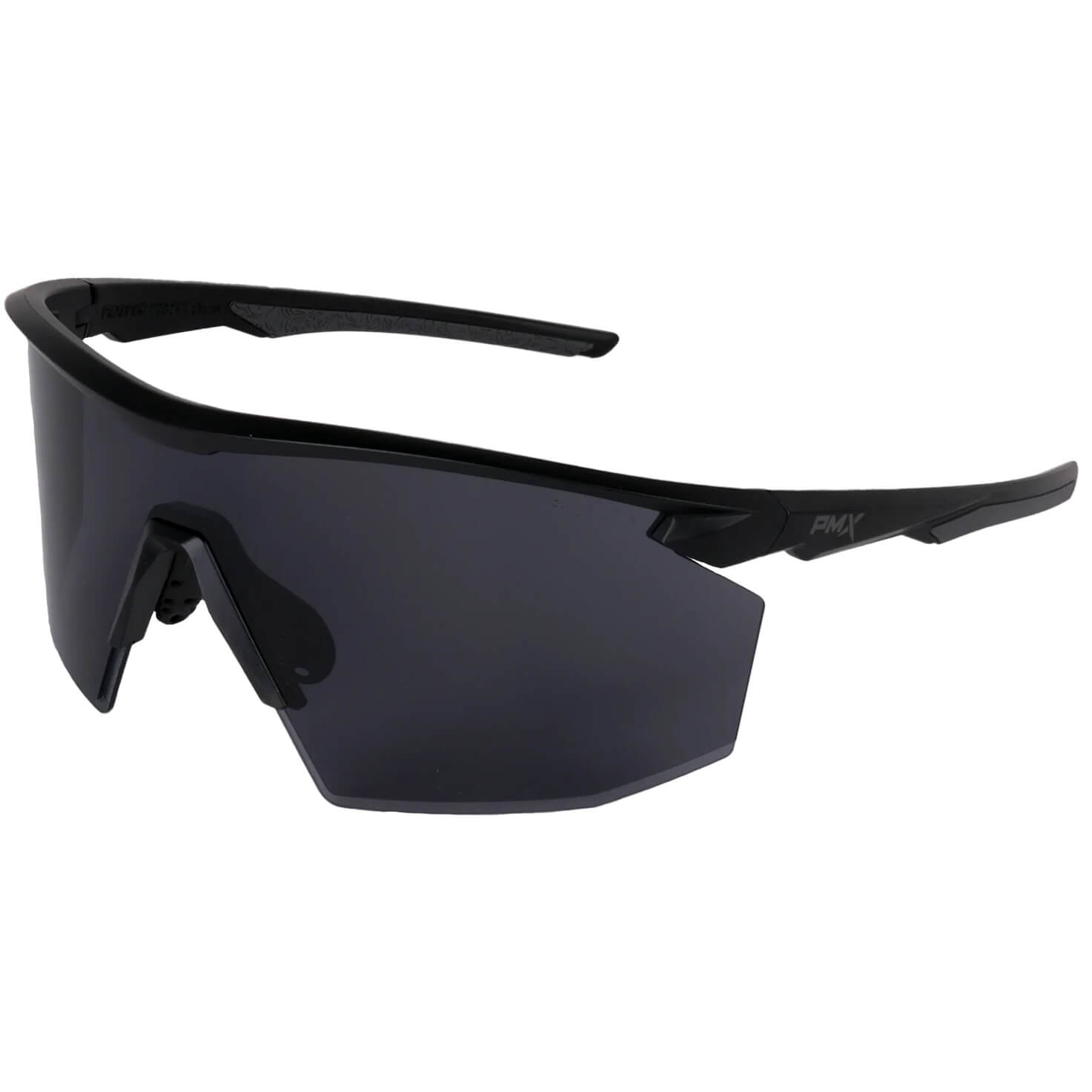
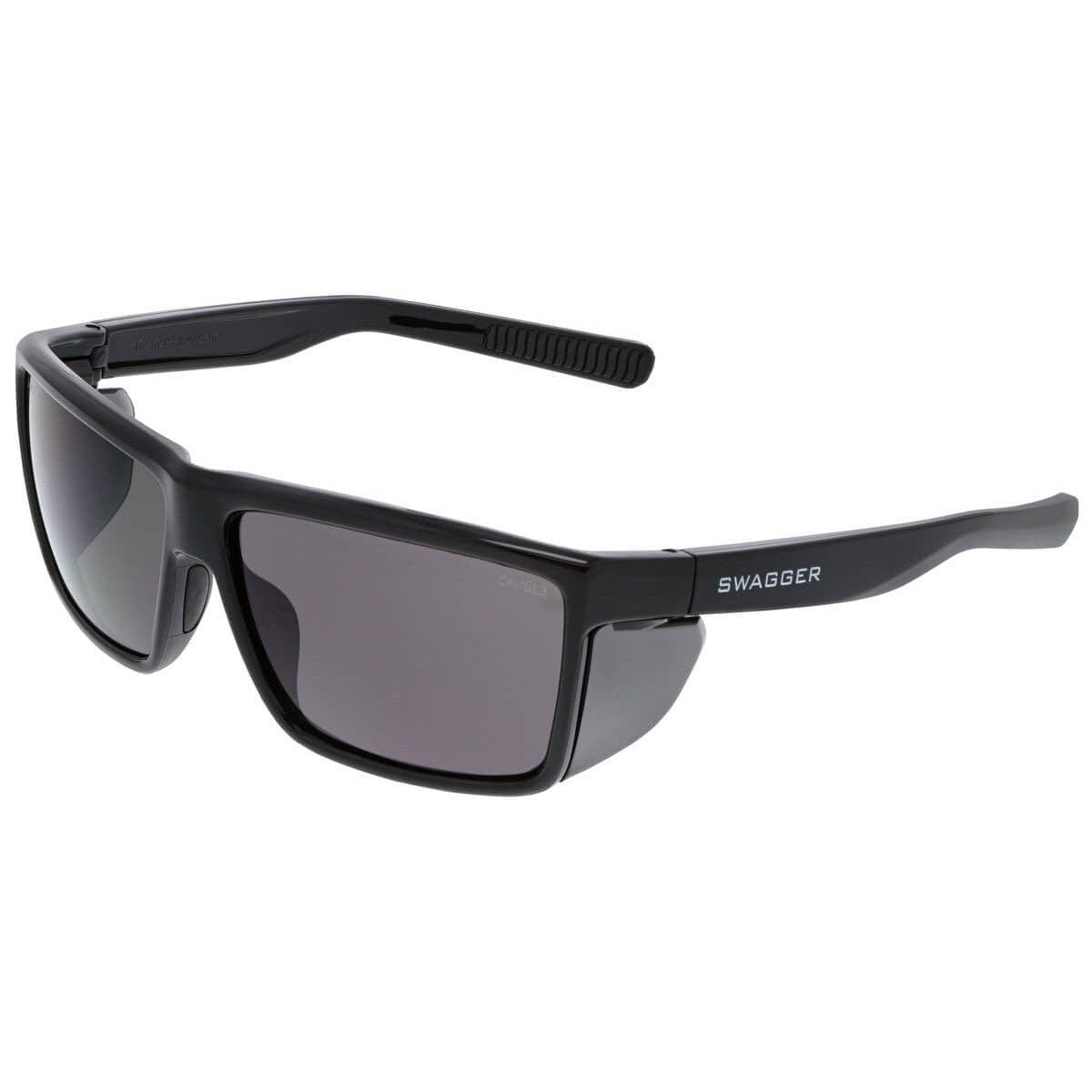
Protecting your vision starts with choosing the right safety eyewear. With dozens of frame styles, lens options, coatings, and prescription choices available, selecting the best safety glasses can feel overwhelming.

This guide will help you understand your options and determine which safety eyewear is best for your job, environment, and vision needs.

Why Choosing the Right Safety Eyewear Matters

Thousands of workplace eye injuries occur every year that could be prevented with proper eye protection. The right safety glasses not only protect against impact hazards but also improve comfort, visibility, and compliance throughout the workday.
Whether you work in construction, manufacturing, healthcare, laboratories, automotive repair, warehousing, or other industrial environments, selecting eyewear that matches your specific needs is essential.

Which Type of Safety Eyewear Is Right for You?

Most workers fall into one of three categories:

 Your Situation Recommended Solution
You do not wear corrective lenses Standard ANSI-rated Safety Glasses
You wear prescription glasses occasionally or need eye protection for short-duration tasks. OTG (Over-the-Glasses) safety glasses.
You wear prescription glasses throughout the workday. Prescription safety glasses with single-vision, bifocal, or progressive lenses.


For workers who wear corrective lenses throughout the day, prescription safety glasses typically provide the best combination of protection, comfort, and visual clarity. Unlike standard safety glasses or OTG solutions, prescription safety glasses are designed for all-day wear while meeting workplace safety standards.

If prescription safety glasses are the right fit for your needs, the next step is understanding how to select the proper lenses, coatings, and frame features for your work environment.

How to Choose Prescription Safety Glasses

Choosing prescription safety glasses involves more than simply adding your prescription to a safety frame. The right combination of certification, lens design, materials, and coatings can significantly impact both safety and comfort on the job.

1. Verify ANSI Compliance

The first step is ensuring your eyewear meets the appropriate safety standards. Look for safety glasses that comply with ANSI Z87.1 requirements. This certification indicates the eyewear has been tested for workplace impact hazards and is suitable for occupational use.

Depending on your work environment, you may also require:

  • High-impact-rated protection
  • Side protection
  • Splash protection
  • UV protection for outdoor work

2. Select the Right Lens Type:

Your prescription and daily visual demands should determine which lens design is best for you.

Single Vision Lenses

Single-vision lenses correct vision at one distance, either near or distance. They are often appropriate for workers who only require correction for a single viewing range and do not need assistance transitioning between near and distance tasks.

Bifocal Lenses

Bifocal lenses provide separate viewing areas for distance and near vision. They can be a good solution for workers who regularly alternate between reading and distance viewing but prefer a clearly defined reading area.

Progressive Lenses

Progressive lenses provide seamless vision correction at multiple distances without visible lines. Many workers prefer progressive lenses because they allow clear vision for distance, intermediate, and near tasks within a single lens. This can be particularly beneficial for employees who frequently move between computer work, equipment operation, reading documents, and interacting with their surroundings.

Which Lens Type Is Right for You?

The best lens choice depends on your prescription, age, visual requirements, and personal preference. If you're unsure which option is best, consult your eye care professional before ordering prescription safety glasses.

3. Choose the Right Lens Material

Most prescription safety glasses use polycarbonate lenses because they offer:
  • Excellent impact resistance
  • Lightweight comfort
  • Built-in UV protection
  • Reliable durability for demanding work environments
For most workers, polycarbonate provides the best balance of protection and comfort.

4. Consider Lens Coatings

Lens coatings can improve performance and extend the life of your eyewear.

Anti-Fog Coatings: Anti-fog coatings help maintain clear vision by reducing lens fogging caused by temperature changes, humidity, face coverings, and physical activity. They can be especially beneficial for workers who frequently move between indoor and outdoor environments or wear additional personal protective equipment.

Anti-Scratch Coatings: Help protect lenses from everyday wear and tear, extending their lifespan.

Anti-Reflective Coatings: Reduce glare and improve visual clarity in bright lighting.

Polarized Lenses: Helpful for outdoor workers who regularly encounter sunlight reflected from roads, water, metal surfaces, or equipment.

5. Prioritize Comfort and Fit

Even the most advanced safety glasses won't provide protection if workers don't wear them consistently.

Look for features such as:
  • Adjustable nose pads
  • Flexible temples
  • Lightweight materials
  • Wraparound designs
  • Secure all-day comfort
Proper fit improves both safety and compliance while reducing fatigue during long shifts.

Common Workplace Eye Hazards by Industry

Different industries expose workers to different eye hazards and visual demands. Understanding these risks can help you select safety eyewear that provides the appropriate level of protection while supporting clear vision throughout the workday.

Construction

Common Eye Hazards
  • Flying debris
  • Dust and airborne particles
  • Wood, concrete, and metal fragments
  • UV exposure during outdoor work
  • Wind-driven particles
Visual Challenges
  • Reading plans and measurements
  • Working in changing light conditions
  • Switching between close-up and distance tasks

Manufacturing

Common Eye Hazards
  • Flying particles
  • Grinding and machining debris
  • Metal shavings
  • Chemical exposure in some environments
  • Impact hazards from moving equipment
Visual Challenges
  • Monitoring machinery
  • Inspecting finished products
  • Reading gauges, screens, and measurements

Warehousing and Logistics

Common Eye Hazards
  • Dust
  • Struck-by hazards from moving materials
  • Debris from packaging and shipping operations
  • Forklift traffic and equipment movement
Visual Challenges
  • Reading labels and inventory information
  • Operating equipment
  • Frequently shifting focus between near and distant objects

Healthcare

Common Eye Hazards
  • Bodily fluid exposure
  • Aerosolized particles
  • Cleaning and disinfecting chemicals
  • Exposure during medical procedures
Visual Challenges
  • Reading patient records
  • Computer use
  • Medication preparation
  • Patient assessments

Laboratory and Research Facilities

Common Eye Hazards
  • Chemical splashes
  • Biological hazards
  • Flying particles from the equipment
  • UV exposure from specialized instruments
Visual Challenges
  • Precision work
  • Microscope use
  • Data entry and documentation
  • Reading small labels and measurements

Automotive Service and Repair

Common Eye Hazards
  • Flying metal particles
  • Chemicals and fluids
  • Battery acid
  • Grinding debris
  • Compressed air hazards
Visual Challenges
  • Reading diagnostic screens
  • Precision repair work
  • Inspecting components and assemblies
Regardless of industry, workers who wear corrective lenses should ensure their safety eyewear provides both the required level of protection and the vision correction needed to perform their jobs safely and effectively.

Common Mistakes to Avoid

When selecting safety eyewear, avoid these common errors:
  • Choosing eyewear based solely on price
  • Wearing regular prescription glasses that are not safety-rated
  • Continuing to use scratched or damaged lenses
  • Ignoring fit and comfort
  • Using OTG safety glasses full-time when prescription safety glasses would provide better comfort and visibility
  • Failing to select the proper lens design for your visual needs

Frequently Asked Questions

Can I wear my regular prescription glasses as safety glasses?

In most workplace environments, regular prescription glasses do not provide the impact protection required by ANSI Z87.1 standards. Workers who need vision correction should consider OTG safety glasses or prescription safety glasses designed specifically for workplace use. Related Reading: ANSI Z87.1 Safety Glasses Guide

Are prescription safety glasses ANSI-rated?

Many prescription safety glasses are available with ANSI Z87.1 certification, providing both vision correction and workplace impact protection. Always verify that the frame and lenses meet the requirements of your work environment before purchasing.

What is the difference between OTG and prescription safety glasses?

OTG (Over-the-Glasses) safety glasses fit over your existing prescription eyewear, while prescription safety glasses combine vision correction and safety protection into a single pair. For workers who wear corrective lenses daily, prescription safety glasses often provide superior comfort, fit, and visibility.

Are progressive lenses available in safety glasses?

Yes. Many prescription safety glasses can be fitted with progressive lenses, allowing clear vision at near, intermediate, and distance ranges while maintaining workplace safety compliance. Related Reading: Progressive Prescription Safety Glasses Guide

How often should safety glasses be replaced?

Workers should replace their safety glasses whenever the lenses become scratched or damaged, or no longer provide adequate visibility or protection. Workers should also inspect their eyewear regularly for signs of wear that could compromise safety.

Choosing the Right Safety Eyewear for Your Needs

Choosing the right safety eyewear starts with understanding your work environment, visual requirements, and daily tasks.

The best safety eyewear is the eyewear that workers can wear comfortably and consistently throughout the day.

For workers who rely on corrective lenses, prescription safety glasses often provide the ideal combination of protection, comfort, and visual performance. Available with single-vision, bifocal, and progressive lens options, they allow workers to maintain clear vision while meeting workplace safety requirements.

By selecting ANSI-rated eyewear that matches your work environment, vision needs, and daily responsibilities, you can improve both safety and productivity while protecting one of your most valuable assets, your eyesight.
Safety eyewearSafety tips

2 comments

SGUSA

SGUSA

Thank you for your question. Currently, we do not carry pink bifocal safety glasses with indoor/outdoor lenses.

Teresa breault

Teresa breault

Do you carry pink bicofals that are indoor/outdoor?

Leave a comment

All comments are moderated before being published